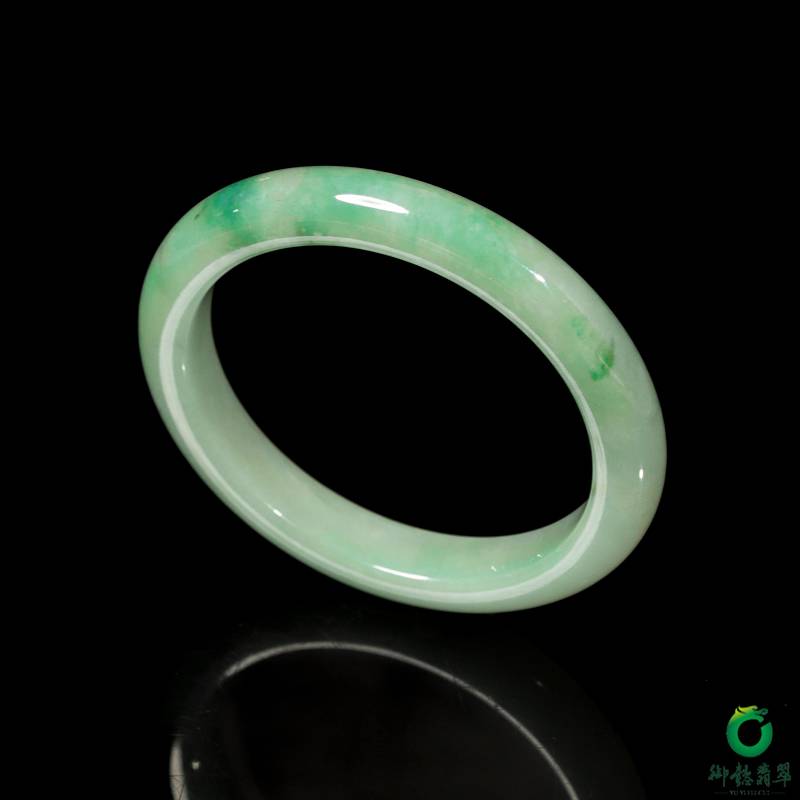
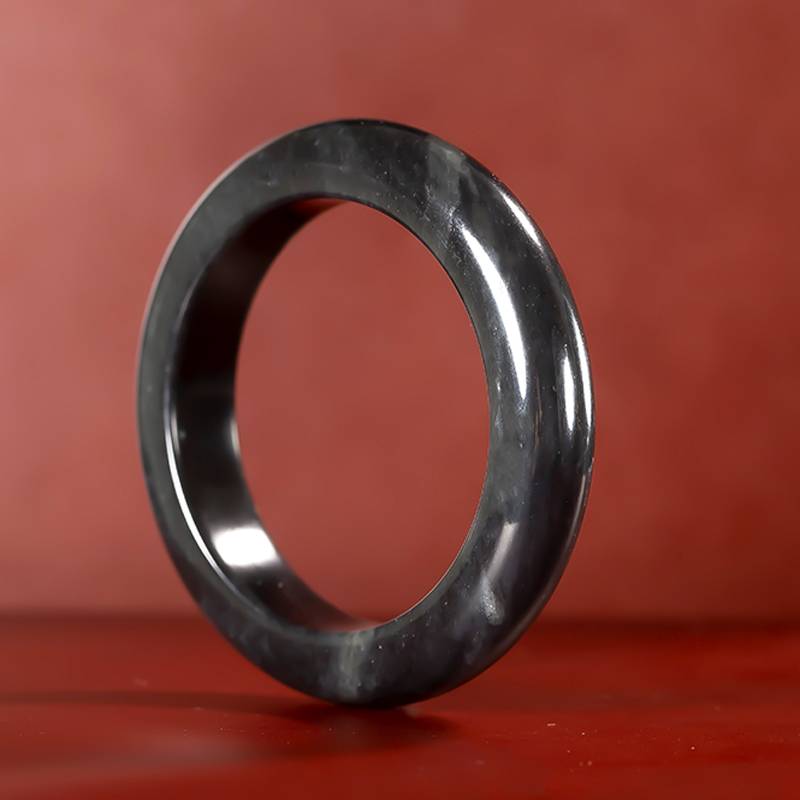
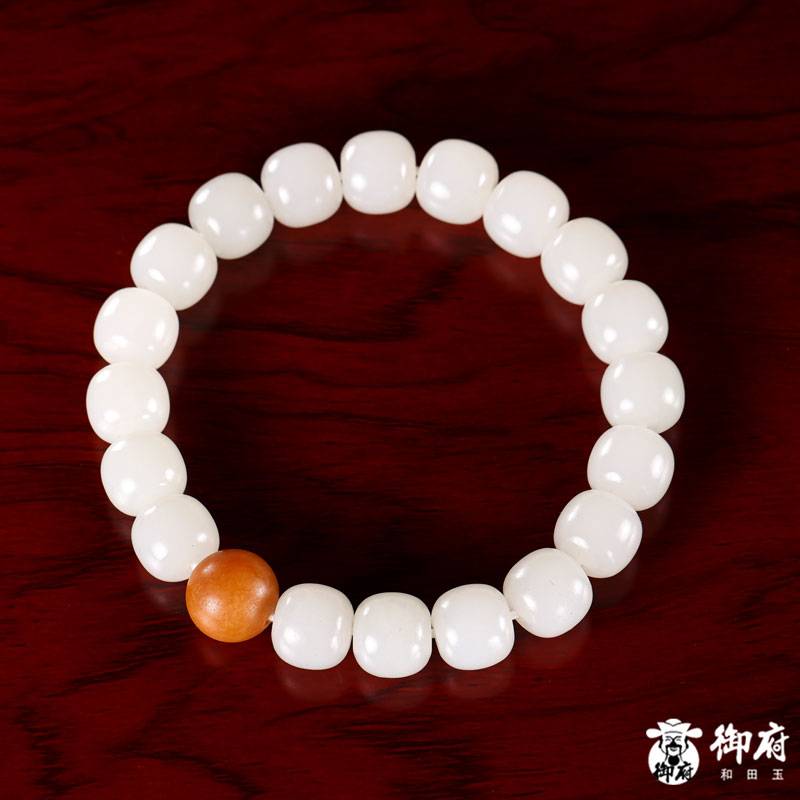
Most of the world calls one mineral jade. Gemologists count two: jadeite and nephrite, sometimes called Hetian jade after the region in Xinjiang, China, where fine nephrite is found. Both are true jade, but they look, feel and behave differently, and the trade language around them is different too. Understanding the difference is the first step to comparing any two listings.
What each family actually is
Jadeite is the denser and harder of the two minerals. It is the jade most associated with Myanmar (Burma), and it is the material behind the vivid greens, lavenders and whites sold under names such as ice, waxy, full green and spring colour. Nephrite is slightly softer and more fibrous in structure. Hetian jade - the classic nephrite of Chinese tradition - has a smooth, waxy, almost creamy feel and is usually described in terms of warm white, qinghua (black-and-white) and skin tones.
Both minerals can be beautiful and both can be valuable. A deep, clean jadeite green usually commands the highest prices in the international market, while exceptional white or qinghua Hetian seed jade has a strong collector following of its own, especially when it keeps its natural pitted river-stone skin.
How they feel when worn
Hold both in your hand and the difference is easy to notice. Jadeite feels cool and dense at first and warms slowly against the skin. Nephrite feels smooth, slightly waxy and warms quickly - the soft touch that Hetian buyers describe as oily or warm. Neither feel is a quality grade; they are simply the character of each mineral.
Structure shows in polish too. Jadeite can take a bright, glassy polish; nephrite takes a softer, more matte polish. That is why jadeite is often chosen for a sharp, modern look and Hetian jade for a quiet, classic one.
Different colour language, different checks
Jadeite colour language focuses on the body and the green: ice and waxy textures, full green, floating green, spring colour (lavender and green together). Because dyed jadeite exists in the market, buyers should ask whether a piece is A-grade (natural colour, no polymer or bleaching treatment in the common trade sense) and request documentation for anything they cannot verify.
Hetian language focuses on origin and surface: seed jade (籽玉) cut from river pebbles, natural pitted skin, white jade, qinghua. The natural skin is used by collectors as one reference point for seed material, and it is never removed from high-grade pieces. Buyers should ask how the seller identifies seed jade and what documentation supports it, because skin imitations and mountain material sold as seed jade exist in the market.
Which jade should I choose?
Choose by your taste in colour and feel, not by which family is more expensive in general. If you like bright colour, translucency and a cool, dense weight, compare jadeite pieces. If you prefer warm white or ink-pattern stone with a soft touch and a long cultural tradition, compare Hetian jade. Our jadeite bangles and Hetian jade bangles collections are separated so you can compare within one family first.
Is one family better quality than the other?
No. Quality exists inside each family - colour, clarity, texture, craftsmanship and documentation all matter. A fine nephrite bangle can outrank an ordinary jadeite one in both price and desirability.
Checklist before you compare listings
- Confirm which mineral the listing means: jadeite or nephrite (Hetian jade).
- Learn the colour words used for that family before judging price.
- Ask what documentation supports any claim of natural colour, seed origin or skin.
- Buy the piece whose feel and colour you will actually wear, not the one with the more impressive vocabulary.
Sources: GIA education pages on jadeite and nephrite; NGTC at ngtc.org.cn. Terminology is described in its market context; verify material claims with documentation.