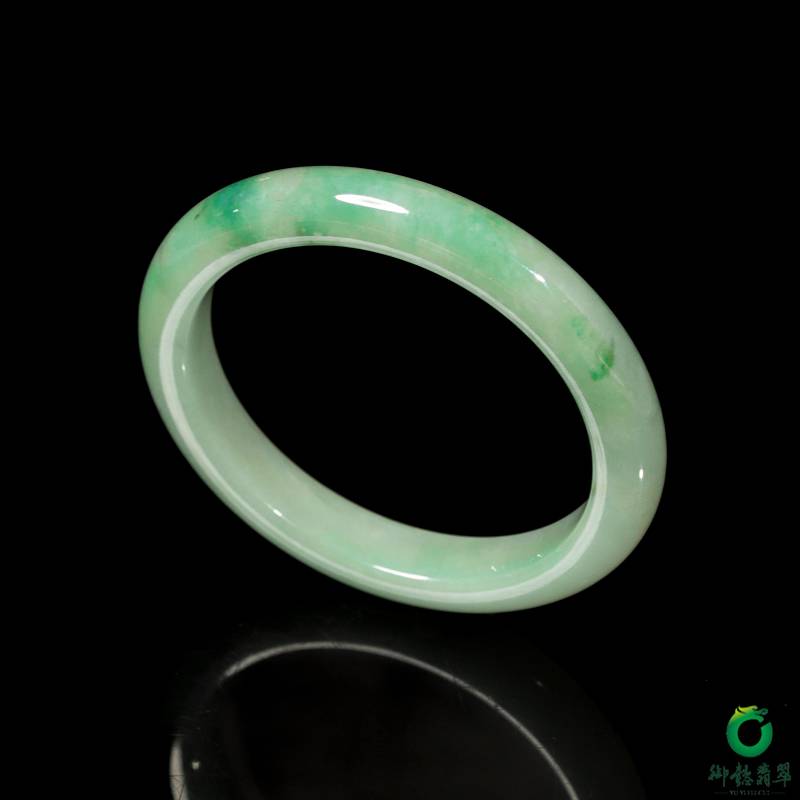
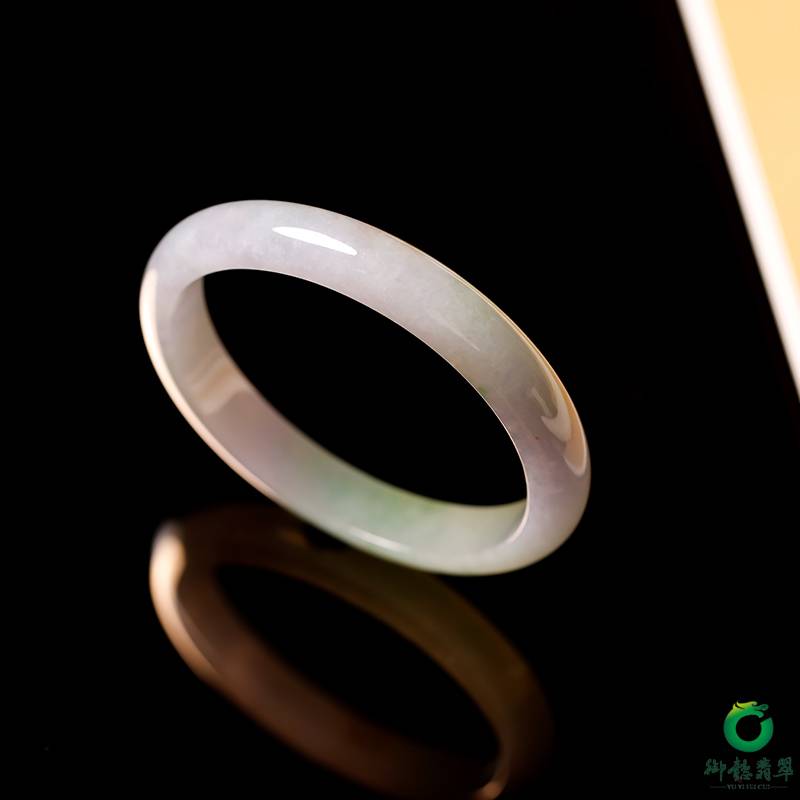
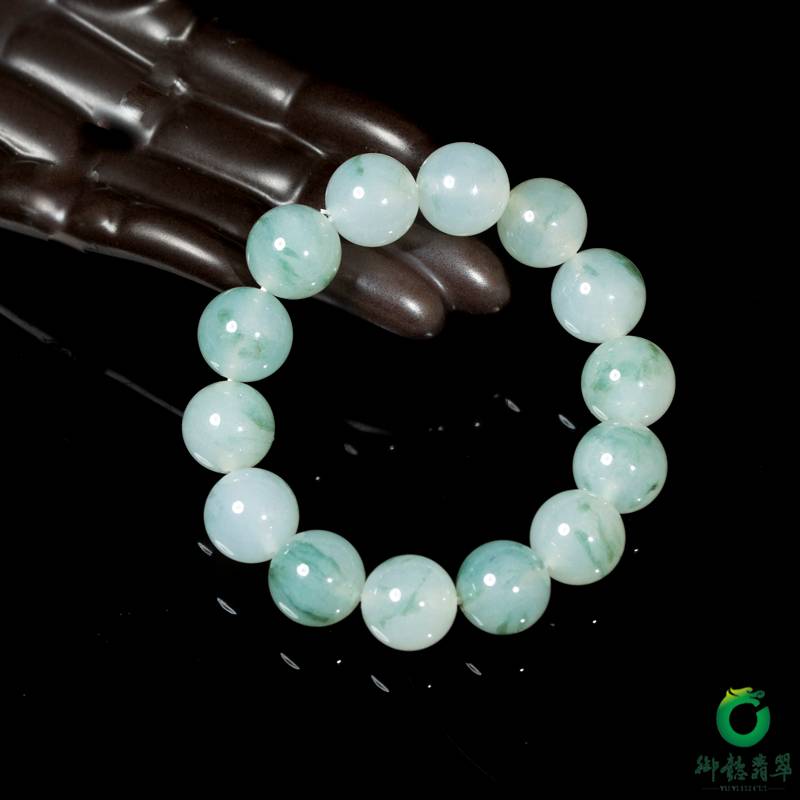
If you have compared jadeite listings for long, you have seen the label A-grade - sometimes written A货 in Chinese-market listings. It is the most common shorthand in the trade for jadeite that is believed to be natural in colour and free of the polymer and bleaching treatments used on lower-grade material. It is also one of the most misunderstood labels, because it is a market term, not a laboratory certificate.
Where the A-grade idea comes from
In the Chinese jade market, letter grades grew out of a practical need to separate treated from untreated material at a time when many pieces were being bleached and polymer-impregnated to improve appearance. In that system, A is used for jadeite with natural colour and no polymer filling or bleaching; B traditionally refers to bleached and polymer-treated jadeite; and C refers to dyed jadeite. Combinations such as B+C also appear. The letters describe the condition of the stone in this trade framework, not its beauty or value within the natural group.
International gemological laboratories do not certify A-grade in the same way. A laboratory report may state whether a stone is natural, whether colour has been enhanced, and whether polymer or dye is present - which is the information that actually matters. That is why you should treat A-grade as a starting description from the seller and laboratory documentation as the evidence.
What A-grade does and does not tell you
What it can suggest: that the seller is describing the piece as natural in colour and untreated by bleaching or polymer, in line with common trade practice, and is pricing it on that basis.
What it cannot tell you: whether the colour is top grade within the natural range, whether the stone has internal treatments visible only under magnification, or whether any claim has been verified by an independent laboratory. A seller saying A-grade is a promise about the material; only testing or credible documentation makes that promise verifiable.
Should I ask for a certificate for an A-grade piece?
Ask, but know what you are asking for. A report from a recognised laboratory such as NGTC (National Gemstone Testing Center, China) or an international laboratory can state material and treatment findings. Read what the report actually says: a report that identifies jadeite and records natural colour is more useful than one that repeats trade letters without test method. Verify the report number with the issuing laboratory before you rely on it.
Can I test the colour myself at home?
You can do useful checks - looking at the stone in daylight and under artificial light, examining surface texture under strong magnification, and comparing the price with what untreated jadeite should cost - but none of these replace laboratory testing. Bleaching, polymer and dye can be hard to detect without gemological equipment. Treat any online promise of home testing with caution.
What to ask the seller before payment
- Whether the piece is described as A-grade and by whom.
- What photographs are available in daylight and with backlight.
- Whether any laboratory report exists and which laboratory issued it.
- What the seller will do if the piece fails independent testing.
You can see how we present each piece - material, grade label supplied by our source, weight, colour and measurements - on our jadeite bangles pages, and you can always ask us for photographs and documentation before you decide.
Sources: GIA education pages on jadeite and nephrite; NGTC at ngtc.org.cn; China national standards GB/T 16552 and GB/T 16553 for gem classification and testing. Verify any report with the issuing laboratory.