In the Hetian jade trade, seed jade (籽玉, zi yu) is the most talked-about material type, and its natural skin is the most misunderstood feature. This guide explains what both terms mean and how collectors use them when buying nephrite.
What seed jade means
Hetian jade is mined in two broad ways. Mountain material comes from rock that was cut directly out of the mountainside. Seed jade comes from pebbles that broke away long ago, travelled down rivers, and were worn smooth by water and sand over a very long time. Those river pebbles are called seed material.
Because the journey is slow and destructive, good seed material is scarcer than mountain material. It is also dense and smooth from natural polishing, which is why many collectors prefer it. Sellers usually state seed jade when the source identifies the material this way.
What the natural skin is
Natural skin (皮, pi) is the weathered outer surface of the river pebble. It is often pitted, slightly textured, and coloured in warm tones such as yellow, brown or red, or it can sit as a thin layer over white or qinghua material. The skin is the original surface of the stone - it is not a carving, a coating or a flaw.
Collectors treat the skin as one reference point for seed origin, because it is difficult to fake convincingly. High-grade pieces often keep the skin on one side so that origin stays visible, while the rest of the bangle is polished smooth.
Should the skin stay on or be removed?
There is no right answer - it is a matter of taste and purpose. Keepers value the skin as evidence of seed material; other buyers prefer a fully polished look. Ask what the seller recommends for the specific piece and why.
How can I tell natural skin from imitation?
Natural skin follows the contours of the pebble, is slightly rough to the touch, and its colour sits on the surface rather than deep inside. Imitation skin is often too even, too glossy, or applied over carved shapes. Compare with real photographs in daylight and ask how the seller verifies seed origin.
Checklist when buying seed jade
- Confirm the seller states seed jade and on what basis.
- Ask whether the natural skin is present and why it was kept or removed.
- Request close-up photographs of the skin area in daylight.
- Compare the price against mountain material of similar colour.
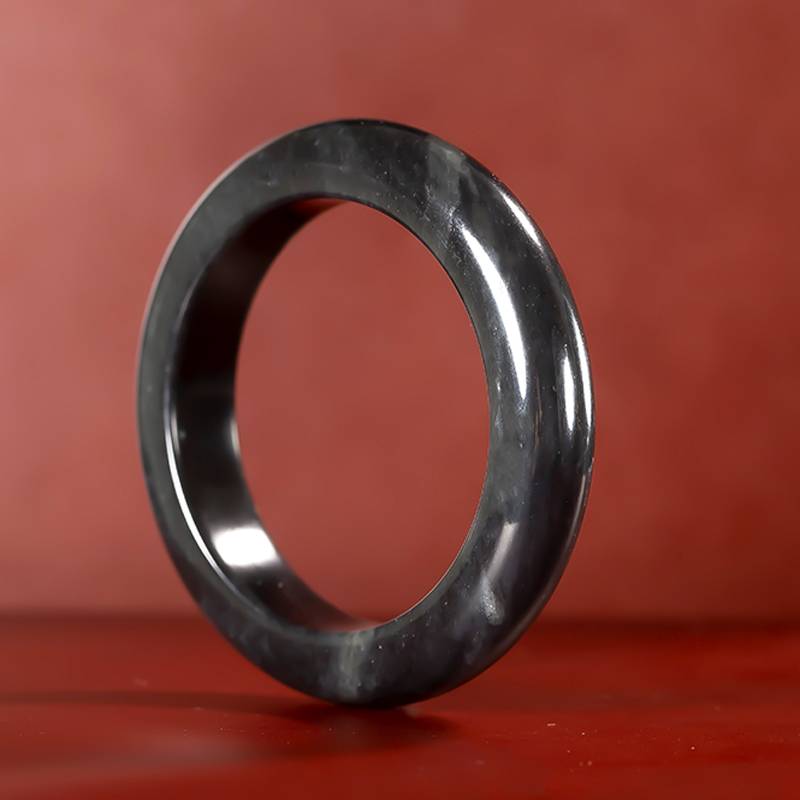
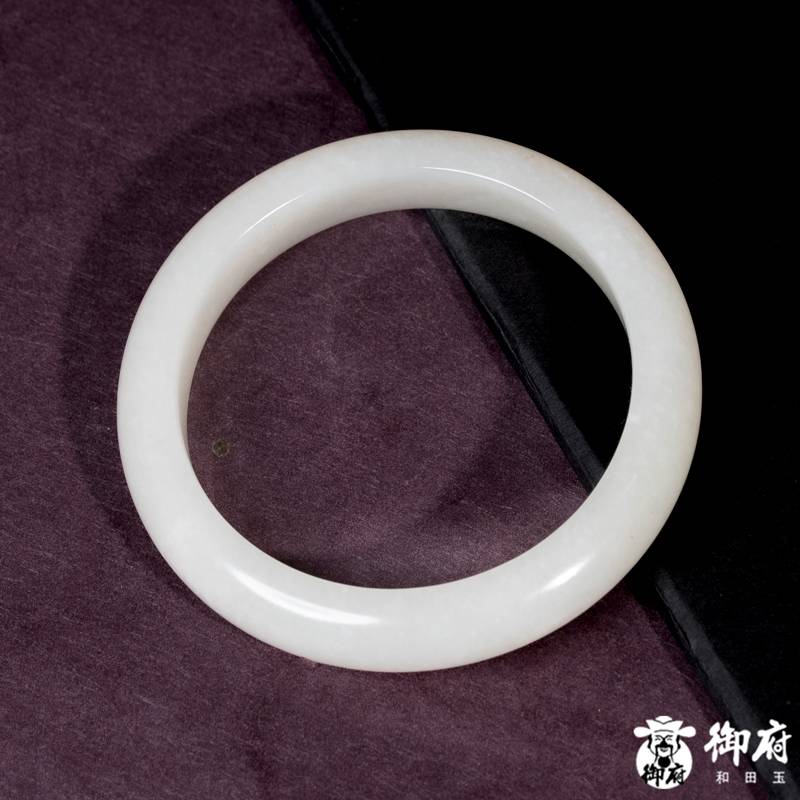
Our Hetian jade bangles show white and qinghua seed jade with their natural skin photographed up close.
Sources: GIA education page on nephrite; NGTC at ngtc.org.cn. Seed jade and skin are market descriptions - verify origin claims with the seller and documentation.