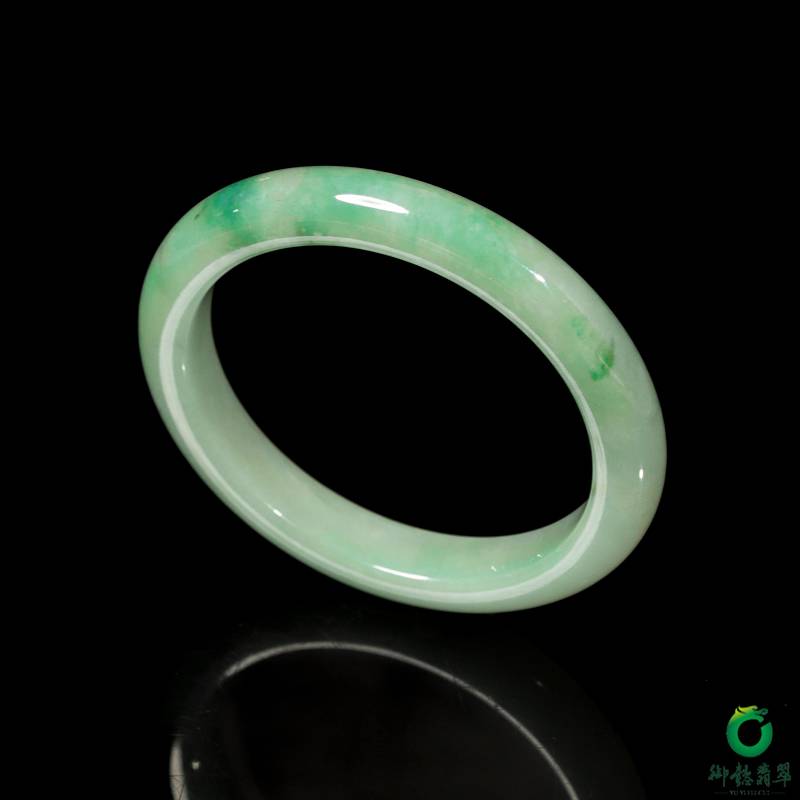
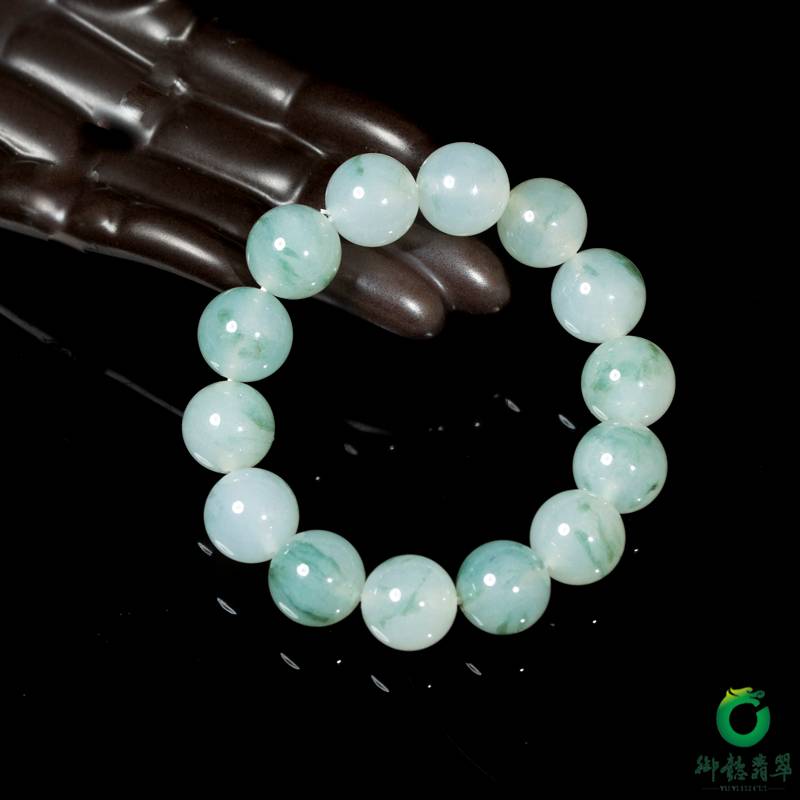
Most natural jade needs no treatment. But because fine untreated jade is expensive, some material is bleached, polymer-filled or dyed to imitate it. Understanding the treatments and knowing what you can check yourself keeps you in control of the purchase.
The main treatments in brief
In the Chinese trade framework, jadeite is often described as A-grade (natural colour and no bleaching or polymer treatment), B-grade (bleached and polymer-impregnated to remove brown spots and improve translucency) and C-grade (dyed colour). B+C material is both treated and dyed. Hetian nephrite is treated far less often, but imitations of seed material and surface colour do exist, so the same questioning discipline applies.
Treatment is not automatically fraud - many pieces are openly sold as treated at lower prices. Fraud happens when treated material is sold as natural. That is why the question is always: what is this piece, and can you show me why?
What you can check at home
- Colour behaviour: natural colour sits inside the stone; dye collects in fine cracks and pits. Look with a loupe at any crevice - deep colour concentrated in cracks is a warning sign.
- Colour contrast: dyed green often looks unnaturally uniform or pools in one area of a bangle.
- Daylight test: compare the piece in daylight and under a desk lamp. Dye can look flat or slightly different in each light.
- Magnified surface: polymer-filled material may show a waxy film or resin trapped in pits.
- Price sanity: if the price is far below what natural material of that look should cost, ask hard questions.
None of these checks is conclusive on its own. They raise or lower suspicion; they do not prove the stone is natural.
Is a home test with heat or acid safe?
No - do not apply heat, flame or acid to jade you care about. It can damage even natural stone and it voids any return promise. Leave destructive testing to professionals.
What is the safest way to confirm a piece is untreated?
Ask the seller for the treatment statement in writing, request any laboratory report, and where the value justifies it, arrange an independent test through a recognised laboratory before final payment.
Checklist before buying
- Ask the seller to state in writing whether the piece is natural in colour and free of polymer treatment.
- Request close-up and backlit photographs, plus a video if possible.
- Examine the photos for colour pooling in cracks and pits.
- Agree what happens if independent testing finds treatment.
Every piece in our jadeite bangles and Hetian jade bangles collections is described from its supplier information, and you can ask for photographs and documentation before ordering.
Sources: GIA education pages on jadeite and nephrite; NGTC at ngtc.org.cn. Treatment checks at home are screening only - laboratory testing is the reliable proof.